Showing posts with label Spanish. Show all posts

Wednesday, May 11, 2022

Scaffolding the Interpersonal Mode


Have you noticed it's more difficult to encourage students to interact in the interpersonal mode in the world language classroom than it has been in the past?  If yes, you're not alone.  Common discussions circle around the fact that we were all isolated for so long so students now need to relearn how to converse in L1 before they can be expected to communicate in L2.  Others argue that students are always "plugged in" leaving less time for natural, face-to-face communication to occur.  Either way world language teachers are in a conundrum:  how do we encourage interpersonal communication in class?

One group of language educators started implementing what they refer to as Conversation Stations into their lessons to help with this situation.  What are they and how are they used in class?  Conversation Stations are a set of 10 different mini conversations based upon the same topic.  For example, the theme of School Life, Clothing, and Hobbies have been used with success following this model.  

The first step in creating the mini conversations after choosing the subject matter is to peruse authentic materials in the target language and highlight vocabulary that native speakers use in context.  What questions are common for this theme?  Keep these words and expressions in mind and then its time to let your own creativity come to life.  Now, it's time to develop 6 complete mini-conversations.  Anywhere from 3 to 4 exchanges is appropriate for learners.  Once the six complete conversations have been created, it's time to make 4 mini conversations with only one part of the conversation provided.  The portion provided could be either a question which would require a response from students or it could be the response which would then mean the students would have to think of a logical question eliciting the answer provided.  

The conversations are ready, now what?  In class students either choose a partner or are assigned to work with someone.  They move through the classroom to "stations" where only one conversation is seen.  Students are encouraged to work together to find the meaning of the interaction between the two roles first.  Then each student chooses a role and role plays by reading his/her part.  Students switch and repeat.  The repetition is important as it provides an opportunity for students to really grasp comprehension in context.  The learners work through stations 1-6 with the full mini conversations.  This provides them with a lot of input so that when they start with station 7 and only see half of the exchange, they can pull from what they've seen in stations 1-6 to think critically and solve the problem of how to respond in context to the statement or question provided.  Stations 8,9, and 10 further support problem solving and critical thinking.  After moving through all of the stations students are now at a point where they feel confident in creating their own conversations and the expectation of having them work in the interpersonal mode is more achievable.  

Here are links to several sets of conversations that can be used for various themes in Spanish and in French.  Simply click on the links provided.  

Spanish Conversation Stations Bundle

French Conversation Stations Bundle

How have you responded to the dilemma of encouraging student communication in the target language in your classroom?  


Monday, August 3, 2020

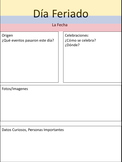
Diversity in the WL Classroom


Diversity is a topic that a lot of World Language teachers are thinking about recently.  Discussions in many social media groups have teachers reflecting about the environment and activities that are offered in their classrooms.  Questions such as, "do students see themselves in this curriculum?" are requiring many to revamp and make positive change in their lessons for the 2020-2021 school year.  The good news is that there are already resources available for others to use immediately.  Keep reading to find some ideas below.

One easy way to incorporate a more diverse structure to a curriculum is to make sure that more than one country where the target language is spoken is represented.  This can be done by simply promoting target language countries on bulletin boards or by having students do independent research on a place that interests them.  Here are a few resources that will help:


Another way to involve diversity is to add activities which include culture into lessons.  Below are some great activities that can help:


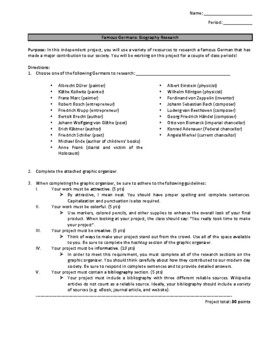
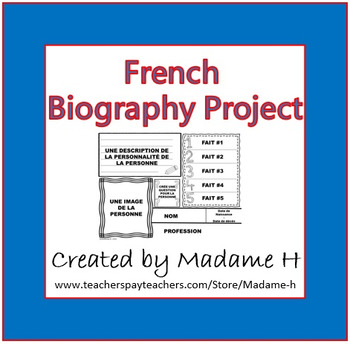
How about introducing students to famous target language speakers?  This is an easy way to have students find connections and comparisons to their own individual circumstances.  The following resources will help:


One final idea would be to incorporate famous quotes and citations that speakers of the target language have said.  


Good luck in the upcoming school year as diversity becomes more prominent in the curriculum.  

Thursday, January 25, 2018

6 Ways to Use I have...who has? in the WL Classroom


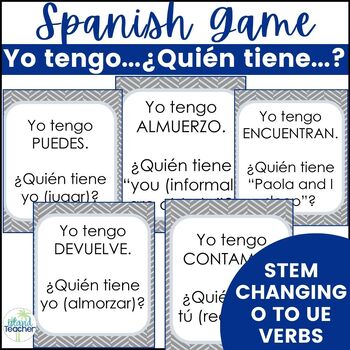
I have...who has is a great game to use in World Language classes to help students hone in on their speaking, listening, and pronunciation skills.  Have you ever wondered what else can be done with this game?  Here is a list of 6 different ways you can get more out of this simple game with your students.

1.  Turn It Into a Class Competition
Distribute the cards to students making sure that all cards have been passed out.  Set a timer and record the time it takes for the class to move through every card.  Write this time on the board.  Collect and redistribute the cards.  Play the game again and see if the class can finish this round faster than the previous time on the board.  This can also be done as a competition between different classes if you teach the same course multiple times throughout the school day.  

2.  Play In Small Groups
Instead of playing I have...who has as a whole class game divide your students into two or more groups.  Provide each group with a set of cards.  Students will have more than one card if you choose to play this way.  On the plus side, they will receive more practice.  This can also be a great way for teams to compete.  See which group can finish first!

3.  Extra Individual Practice
Have individual students grab a set of cards and place them in order from start to finish to practice the concept individually.  The student can choose to place the cards in rows in order or play it on the ground in a wide open space to create a giant circle from start to finish.

4.  Presentational Practice
Combine two to three sets of the same game and redistribute the cards to students.  Have them use the answer part to create complete sentences with the information on the cards.  They can then turn these statements in to receive a homework or classwork grade.

5.  Put The Cards In Order
Use a dry erase marker and write a number on the top corner of the card.  Be sure to use random numbers and to not write them in order.  Then, place the cards in order and write down on a post-it note or other piece of paper the correct order of the cards from start to finish.  Keep this piece of paper with you.  Distribute one set of cards to small groups of students and have them work together to place the cards in order and to write down the numbers from the cards.  The students should then pick a representative from their group to bring their list of numbers to you to check.  The first group with the correct order wins!

6.  Review for Upper Levels
Play the same sets you play with lower levels with your upper level students, but require the students to respond in complete sentences as opposed to just giving the answers.  Advanced students will not only have to produce the correct answer and a logical sentence, but they will also have to listen closely to distinguish the portion that would appear at the top of another card.

These are just a few tips for getting the most out of your I have...who has? sets for class.  See below for some already created sets that you can use right away with your students.  How have you incorporated this unique game in your own classes? 


Monday, August 7, 2017

5 Tips for Using Bell-Ringers in the WL Classroom


The summer is winding down and several teachers are preparing to return to school in the United States in the next few days or weeks.  This post includes advice for getting the most out of the time you have with your students by implementing Bell-Ringers once class begins.

Research has shown over the years that Bell-Ringers are beneficial in many ways.  Namely, they help to set the tone for the students that it is time to focus and learn.  They also help students engage their prior knowledge from a previous class period.  And finally, they allow the teacher to complete daily administrative tasks that are required such as taking attendance and passing out papers.

Here are 5 tips to ponder for the upcoming school year:

1.  Have a Bell-Ringer already displayed on the white board or written on the board as students enter.  Be sure to always include an example response so students can see what is expected.  This will also eliminate students asking, "What are we supposed to do?"

2.  Be sure the Bell-Ringer takes 5 minutes or less to complete.  If the task is too complicated, students will be less likely to dive-in and respond to it.  Plus, it is important to devote other time to learning new concepts.

3.  Provide students with an answer sheet for the entire week or require them to keep their answers on one sheet of paper.  This will cut down on the amount of paper shuffling that you do during the year.  It will also encourage the students to be responsible for keeping up with their work.

4.  Take up the answer sheets on Friday or the last day that your class meets for the week.  Quickly look that the students attempted the answers and that they corrected any errors that they might have made.  This will also give you an extra opportunity to see who is struggling and needs more of your attention.  Add this assignment as a class work grade for class participation.

5.  Spice things up by playing your favorite target language music as students complete the Bell-Ringer.  Mix up the genre each day and be sure to write the artist's name on the board so students can listen to the music on their own time outside of class.  Have a rowdy class?  Play music with a slower rhythm to calm them down.  Have a class who is still asleep or drowsy?  Do the opposite and play tunes with some pep.

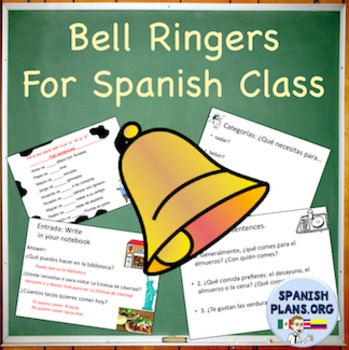
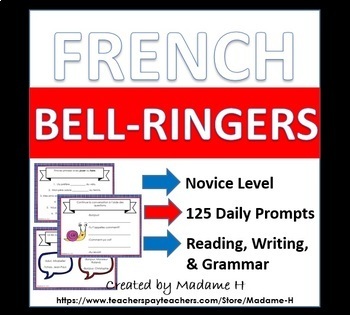
Here are some ready made Bell-Ringers to help save you some time and planning.


How do you use Bell-Ringers in your classes?

Sunday, November 13, 2016

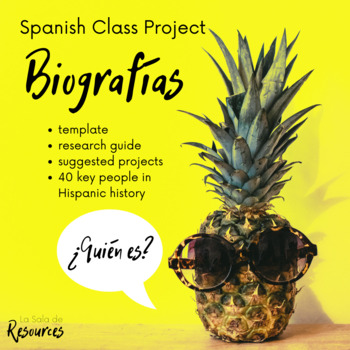
Researching Famous Hispanics


Looking to add a bit of culture to your class with famous Latinos and Hispanics from the Spanish Speaking world? Check out the projects and resources below.


Notable Hispanic Americans Infographic Project: Research a Hispanic America with this template that includes space for name, title or profession, photo, date of birth and death, Hispanic country of origin, and a list of accomplishments, awards, etc. 
Includes a list of over 50 Hispanic Americans to choose from.


Review Spanish adjectives, professions, age, tener, ser, estar, etc., while learning interesting facts about famous people and famous Hispanics. This game can be used for advanced beginner, intermediate, or advanced students. Includes descriptions and pictures of 30 people in total (17 Americans and 13 Hispanics).

Famous Spaniard Project: Research a famous Spanish person for an essay and oral presentation. Students include basic demographics, historical/current context of the famous person's profession in Spain, important events in their life, their childhood, how they became famous, etc.


Check out the Spanish 1 version about a famous Latino.


Hispanic Leader Task Cards and Game:  40 task cards contain clues about different Latino and Hispanic Leaders. These leaders may be explorers, politicians, entertainers, sports heroes, etc. A few are even characters in TV shows or books that have influenced us. These leaders may have been born in the United States, but have Hispanic parents, or they may have been born in Latin America or Spain


Thursday, July 14, 2016

5 Ways to Implement Technology in the WL Classroom


Technology has been on the rise in all facets of life and has easily made its way into the modern classroom.  Language teachers need not fear and should embrace it as much as possible as its pros definitely outweigh the cons.  Keep reading to find five ways to implement technology in the World Language Classroom.

1.  Create A Profile of Your Classes
In order to use technology with your students, you must first find out who has access to what and when they have the opportunity to manipulate those resources.  For some this will be an easy situation as the school provides technology for students.  For others this may pose a problem.  Start by surveying the students to ask if they have access to the internet, an iPad, iphone, desktop or laptop computers.  This can be as simple as adding the following question to your first day information sheet:  "List the equipment you have to use technology both in and outside of school." 

2.  Obtain a Student Use Permission Form
After figuring out student access, the next step is to obtain permission from guardians for your students to use the technology in class.  Do this by checking with your school district to see if a form already exists that you can send home and have completed.  If not, a quick search via a search engine can provide examples.  Create your own and have your administration sign off on it.  

3.  Lay the Ground Rules
Using technology in the classroom can pose problems as students will want to play games, surf the net, or check facebook.  Be sure to create some ground rules for how it will be used in your classroom and provide scenarios for acceptable and unacceptable use in class.  Be sure to go over this with guardians and students and be consistent with consequences.

4.  Assign Activities
Now that you have access, permission, and guidelines in place its time for the learning to begin.  Students can use their devices to contact native speakers via a form of social media and ask a question pertaining to the content and concepts covered in class.  Then they can report back what they have learned.  There are also other unique resources available for you to use with your students.  

For Spanish:

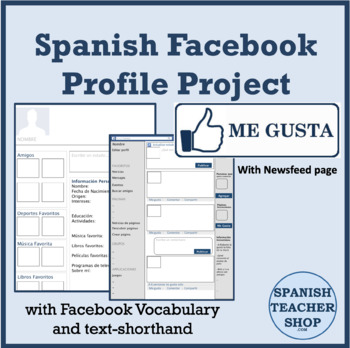
Facebook Profile and Newsfeed
La Familia


La Casa Webquest


For French:


Les Loisirs


Faire des Courses

Virtual Trip


5.  Have Fun
Technology can add a whole new dimension to your course work and oftentimes students will associate their final products with the word FUN.  What kind of creative ways have you encouraged technology use in your classroom?

Thursday, May 26, 2016

Spanish Summer School Resources

Via TeacherMemes.com

If you are like me, you love your summers. For me, it's an opportunity to travel abroad and immerse myself in the Spanish language culture. For others, it may be a time to spend with family or rest. And for others, it may be an opportunity to earn some extra income by teaching summer school. If that is the case, we'd like to make your summer easier by suggesting these resources to use during your summer class.

We hope these resources engage your summer school students, whether it be an actual academic class or just a fun, camp-like experience.


Summer Spanish Printable Book
This printable activity book contains six activities that children can do over summer break, bringing language and culture to their vacation! The resource also includes a number of links for expanding on the cultural activities. The activities are 1)Recipe for making 'Paletas de fresa, 2) Summer vocabulary word search, 3)Play 'Rayuela', 4)Travel Bingo, 5)How to Make a Paper Mola, and 6)Grocery List in Spanish.


Summer Activity Set
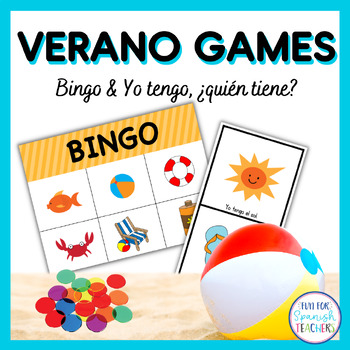
This product includes two fun games and a word search to welcome "el verano" in your classes. Includes a bingo game, and a Yo tengo, quien tiene game. Features summer vocabulary words such as "el buzo, la pala, el sol, el cangrejo, el pez, la careta, la pelota, la paleta, la toalla, las sandalias, el traje de baño, la estrella de mar, los lentes de sol, el helado, el castillo de arena, 
la playa, el bronceador, el flotador, la silla, la sombrilla, la concha  de caracol, el balde, el pelícano, el bote."


Alma MovieTalk Lesson
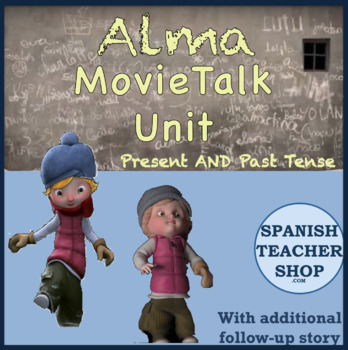
Use this engaging and suspenseful short animated video to give your students comprehensible input. Includes a reading as well as a storyboard for students to re-tell the story.


Giant Board Game- Basic Spanish Questions
Turn your classroom into a GIANT Spanish board game while helping your students practice basic questions in Spanish.
This product includes 50 printable spaces and both teacher and student instructions for game play. Also included are EDITABLE spaces where you can add additional prompts or questions to target specific units or areas of weakness for your particular group of students.


Spanish Greetings and Intro Conversation
Practice greetings, introductory conversation, and small talk with this mini-unit containing 32 task cards. Simply print them out, hang them around the room or use stations to get your students engaged and creating conversation!


Spanish Animal Vocabulary
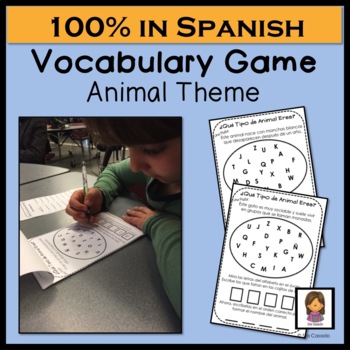
Missing Letters Animal Vocabulary Game is a fun way for students to learn and memorize animal vocabulary in Spanish without any prep (unless you want to cut the 1/2 pages puzzles in two parts!!). Students will read the clue about the animal, look for the missing letters in the oval, and unscramble them to reveal the animal! 


Spanish Speaking Country Coloring Set
Color by number flags for all 21 Hispanic countries.
Have students color these flags to make decorations for your classroom or for their rooms at home. 


Saturday, April 30, 2016

End of the Year Activities

The end of the school year is in sight. The weather is getting warmer and the students are getting more restless. You need a good lesson to engage your students. We've got some great options for you for class projects and activities to get you through this!

Mundo de Pepita has this Printable Yearbook for Elementary students called "Un año entre amigos". Have students write fun messages to each other in Spanish to recall the fun times they've had in class.


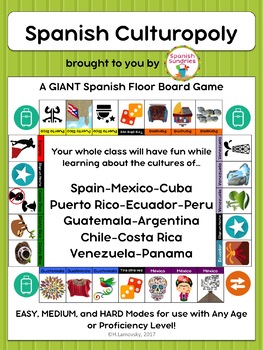
Spanish Sundries uses this Giant Board Game to review for a final exam. This is a perfect lesson for those students who are always begging to play a game, while practicing answer questions at the same time.

SpanishPlans likes to have his students create and describe their own SuperHero at the end of the year.

Angie Torres uses this activity to set up 8 stations where students become the teacher to ask their peers questions to review themes from the school year.

SpanishMama talks about 10 amazing end of the year games. Whether, it's "Serpiente", "Bracket", or "Steal the Apple", these games and activities will make your students wanting more!

Emily Miller  tells us how her 2nd graders complete two year-end writing prompts: "Espero que en tercero..." (best response: "los niños aprendan a portarse bien!") and a prompt to give advice to next year's second graders. You can have your students write advice on how students can be successful in class or what to expect during the year.

Sol Azucar tells us about how she celebrates her students with End of the Year Awards. If you are looking for other ways to celebrate your students check out an earlier post.

What are your favorite end of the year activities? Share in the comments section below.

Wednesday, January 27, 2016

Spicing up Valentines Day

Do you have the winter blahs in your classroom?  Well, Valentine's Day is coming up soon and it's the perfect moment to re-engage your students with a few new activities.  Here are 10 Ways to Spice Up Valentine's Day in Your Classroom so that every kid leaves feeling the love.  We're language teachers, so we can teach whatever we want as long as the kids are using the target language.  Take full advantage of this and teach the kids some cheesy pickup lines, have them serenade another class, or try some speed dating.  Guaranteed good times!  To read all 10 ideas, click here.